Orders over $99 may qualify for free shipping.
Deer Fence: Choosing the Right Option for Containment or Exclusion
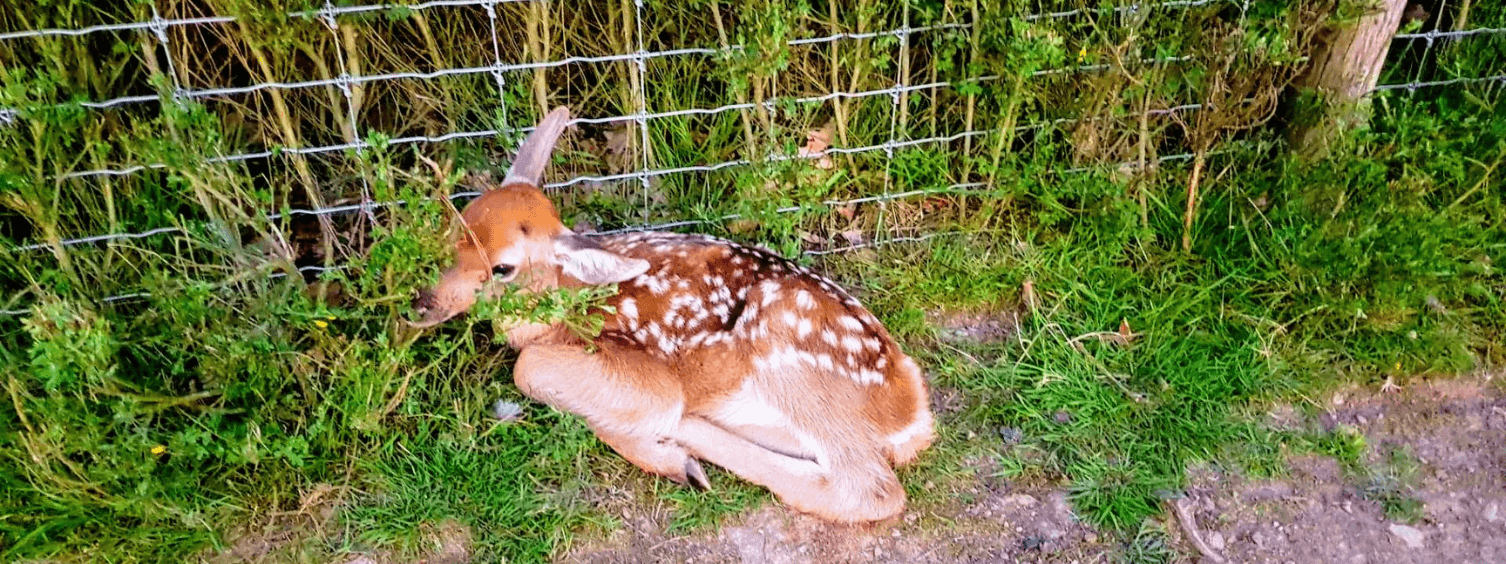
Deer fencing plays a crucial role in protecting crops, orchards, and property—or keeping valuable deer safely enclosed. The right fence depends on your specific needs, whether you're looking for a long-term barrier or a temporary solution. This guide breaks down the key options for effective deer control and how to choose the best one for your setup.
Because deer are strong jumpers and can push through weak barriers, your fencing must be tall, durable, and designed to either keep deer out or in—depending on your goals. Factors like stay spacing, material type, and fence height all play a role in how effective your setup will be. Below, we’ll walk through the top fencing options and when to use each.
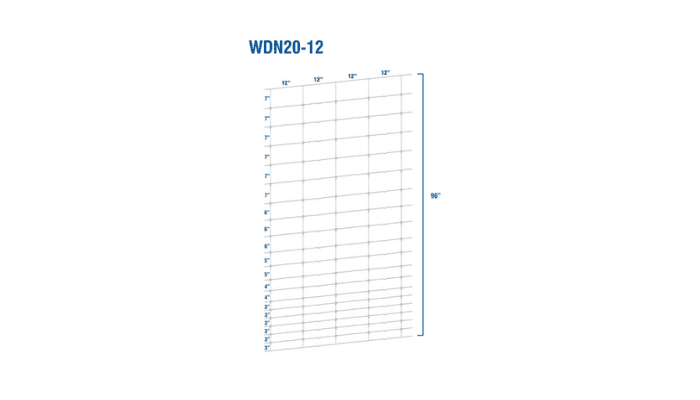
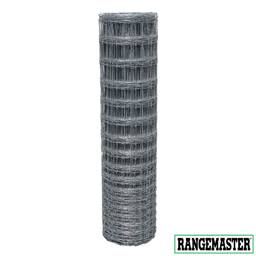
Woven Wire Deer Fence with 12" Stay Spacing
Woven wire with 12-inch stay spacing is a popular choice for excluding deer from gardens, fields, and orchards. It creates a strong physical barrier to deter deer and other wildlife while keeping costs manageable. This type is ideal for:
- Crop protection
- Orchard fencing
- Residential use to keep deer out of yards
The wider spacing reduces material use and cost, making it a more affordable exclusion solution for large areas.
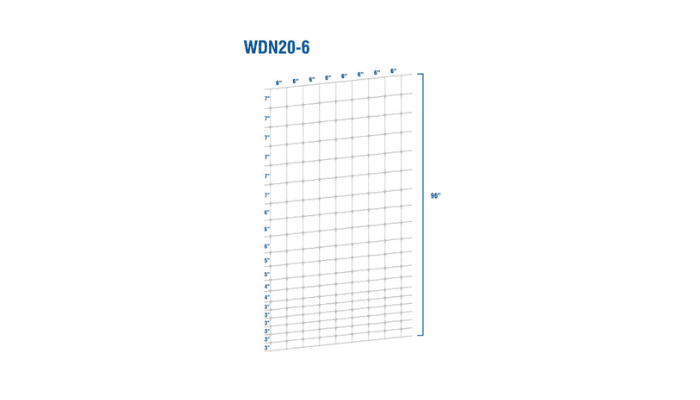
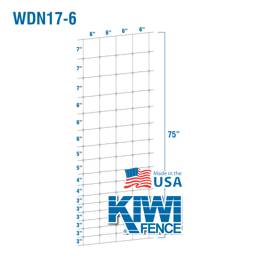
Woven Wire Deer Fence with 6" Stay Spacing
Designed specifically for deer breeders, this version of woven wire has 6-inch stay spacing to keep prized or high-value deer safely contained. The tighter mesh spacing:
- Offers greater security for enclosed deer
- Reduces risk of animals pushing through or getting injured
- Is preferred for controlled environments like breeding pens or preserves

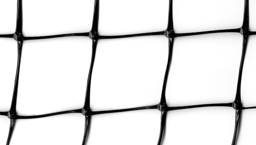
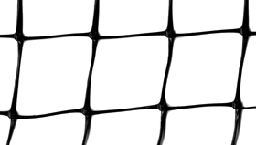
Plastic Deer Netting
For a lightweight, temporary option, plastic deer net is easy to install and manage. While not as durable as woven wire, it works well for short-term exclusion and can be paired with electric wire to improve effectiveness. Common uses include:
- Seasonal garden protection
- Temporary crop fencing
- Visual deterrents in low-pressure areas
Its lightweight design makes it easy to reposition or store when not in use.
How Tall Should a Deer Fence Be?
Deer are surprisingly athletic and can easily jump over low barriers when motivated—especially if they see food, shelter, or other deer on the other side. That’s why the recommended height for effective deer fencing is 7 to 8 feet. Fences under 6 feet may offer only limited protection and are often tested (and cleared) by even average-sized deer.
For woven wire fencing, look for taller rolls specifically designed for deer exclusion. If only shorter panels are available, you can stack two shorter sections and secure them together to achieve the desired height.
If you're using plastic deer netting, its lightweight nature makes it easy to install at taller heights—but it must be properly tensioned and supported by tall posts. In high-pressure areas, consider pairing plastic netting with a strand of electric wire above or in front of the fence to discourage deer from approaching or attempting to jump.
Keep in mind that deer are more likely to jump fences they can clearly see a landing zone behind. You can reduce jump attempts by:
- Adding depth or visual obstruction (angled fencing, double rows)
- Using flagging or deterrents on the fence-
- Avoiding open, unobstructed space behind the fence-
A taller fence combined with smart layout choices will significantly improve your success in keeping deer out—or in.

How to Choose the Right Deer Fence
Selecting the right type of deer fence depends on a few key factors:
- Purpose: Are you keeping deer out (exclusion) or keeping them in (containment)?
- Pressure: High-pressure areas like breeding pens need stronger, tighter fences (e.g., 6" stay spacing), while low-pressure zones may work with 12" spacing or plastic netting.
- Budget: Woven wire fencing requires a higher upfront cost but offers long-term durability. Plastic netting is more affordable for temporary or seasonal needs.
- Terrain and Installation: Flat areas are ideal for rigid woven wire, while uneven terrain may benefit from more flexible fencing solutions like netting or electric components.
Common Mistakes to Avoid with Deer Fencing
Even with quality materials, deer fencing can fail if it's not installed or maintained properly. Avoiding these common mistakes can greatly improve the effectiveness and lifespan of your fence:
- Using fencing that’s too short: Anything under 6 feet tall won’t reliably stop deer from jumping over. Aim for at least 7 to 8 feet in height for long-term success.
- Leaving gaps at the bottom: Deer may try to push under a fence if there are openings, especially in uneven terrain. Always secure the bottom edge and fill low spots as needed.
- Improper post spacing: Posts that are spaced too far apart can lead to sagging, especially with plastic netting or long fence runs. Follow spacing guidelines based on your fencing type.
- Loose or untensioned material: Whether using wire or netting, saggy fences are less effective and easier for deer to push through or under.
- Overlooking surrounding vegetation: Bushes, slopes, or objects near the fence can give deer a “launch point” to jump over. Keep the area around the fence clear whenever possible.
By planning carefully and avoiding these issues, your deer fence will be more reliable and require less frequent repair.
Final Words
Choosing the right deer fence starts with understanding your needs—whether you’re excluding deer from valuable crops or safely containing prized livestock. Woven wire with 12" spacing offers reliable protection for large areas, while 6" spacing provides added security for breeding operations. Plastic deer netting is a flexible, lightweight option for temporary or seasonal use.
Be sure to select a fence height of at least 7 to 8 feet, avoid common installation mistakes, and consider pairing with electric wire for added deterrence if needed. With the right materials and setup, your fence can offer long-lasting protection and peace of mind for years to come.
Related Items