Orders over $99 may qualify for free shipping.
Grounding
An effective electric fence requires good grounding. There is a lot of confusion and many misconceptions around the topic of grounding but don't let that intimidate you. Here you will find fundamentals, testing procedures, ground bed specifics, and more that will help you properly ground your electric fence and maintain and effective shock.
Articles in this Category

Improve fence reliability with an Earth Ground Return System. Learn how it works, its pros and cons, and why it’s ideal for dry or frozen ground conditions.

Learn how to fix weak electric fences in dry soil by grounding a fence strand or adding a buried return wire. These methods boost shock strength and fence reliability.

This article covers the importance of a proper ground bed in electric fencing. Learn how grounding works, how to test it, and avoid common mistakes to ensure consistent shock delivery and reliable fence performance.

This article explains how to test your electric fence’s ground bed using a simple voltmeter method. Regular testing helps detect poor grounding early, ensuring consistent shock delivery and preventing fence failure.
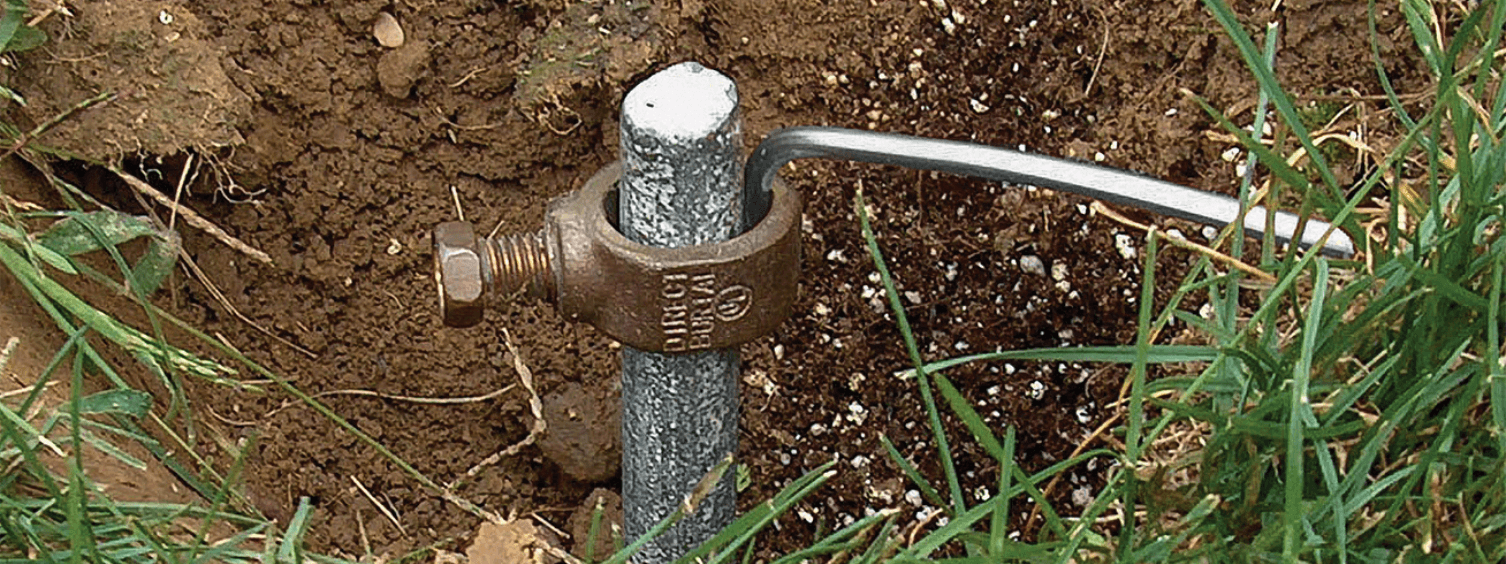
Learn how to build a reliable electric fence ground bed using at least three rods spaced 10 feet apart, placed in moist soil and away from utilities. Proper grounding ensures consistent fence performance and safety.