Orders over $99 may qualify for free shipping.

Fundamentals of Grounding: How Ground Beds Power Electric Fences
Grounding is one of the most critical, yet often overlooked, components of an electric fence system. A properly grounded fence not only delivers consistent shock to animals but also ensures the system’s efficiency and longevity. Without a proper ground bed, even the best energizer and fencing materials can fail. In this guide, we’ll break down how grounding works, why it matters, how to avoid common mistakes, and how to test for success.
Understanding How Grounding Works
Like water, electrical current (electrons) always follows the path of least resistance. In an electric fence system, electrons flow from the energizer, through the fence, into the animal, and return to the energizer through the soil. This return path is made possible by ground rods.
However, soil isn't always a good conductor—especially when it’s dry, frozen, or sandy. These conditions reduce conductivity and make it harder for the current to complete the circuit. Poor connections at the ground rods, caused by corrosion or oxidation, can also weaken the return signal and lower fence performance.
This is why selecting the right materials, installing ground rods properly, and placing them in the right environment are essential to ensure your fence delivers consistent, effective performance.

The Ground Bed Is Like an Antenna
The ground system in your fence setup functions much like the antenna on a TV or radio. The bigger and more effective the antenna, the stronger the reception. Likewise, the larger and more efficient your ground bed is, the better it collects returning electrons from the soil—delivering consistent shock power across the fence line. A weak ground system is like trying to watch TV with a bent antenna—you may catch a signal, but it won’t be reliable.
🌱 Configure Your Grounding System
Loading fence configurator...
Best Practices for Effective Grounding
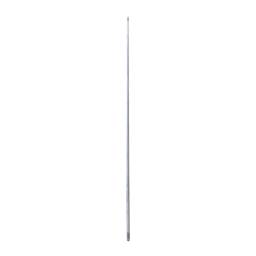
- Install a minimum of three 6-foot galvanized ground rods, spaced 10 feet apart
- Choose a location with consistently moist soil whenever possible
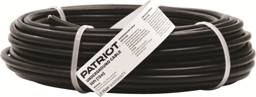
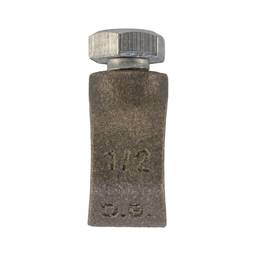
- Use quality ground rod clamps and galvanized wire
- Check periodically for corrosion or loose connections
- Avoid placing ground rods near utility grounds or buried water lines
These steps help ensure strong contact between your grounding system and the soil, creating a complete circuit your energizer can rely on.
How to Test Your Grounding System
To check if your ground system is functioning properly:
- Turn on the fence and create a short by placing a metal rod against a hot wire about 100 feet from the energizer.
- Use a voltmeter or digital fence tester to measure the voltage between the last ground rod and the soil about 3 feet away.
- If the reading is over 200 volts, your grounding is inadequate and you should consider adding more ground rods or improving soil contact.
Testing your system routinely—especially in seasonal extremes—helps you catch performance issues before they cause problems.
Grounding Mistakes to Avoid
Many electric fence issues are caused by poor grounding. Here are common mistakes to avoid:
- Using only one or two ground rods
- Installing rods too close together (less than 10 feet apart)
- Using copper wire with galvanized rods (leads to corrosion)
- Setting ground rods in dry or rocky soil-
- Connecting to household water pipes or shared utility grounds
Final Words
The ground bed is the backbone of your electric fence system. A properly installed and maintained grounding setup ensures your fence delivers reliable power and remains safe for animals. Take the time to install it right—you’ll see the results in long-term performance and fewer fence failures.
Take the time to ground your system correctly, and you’ll spend less time troubleshooting and more time enjoying a safe, efficient electric fence.
Looking for quality grounding supplies?
Browse our full selection of grounding supplies including ground rods, clamps, and accessories to build a high-performance fence system that lasts.