Orders over $99 may qualify for free shipping.
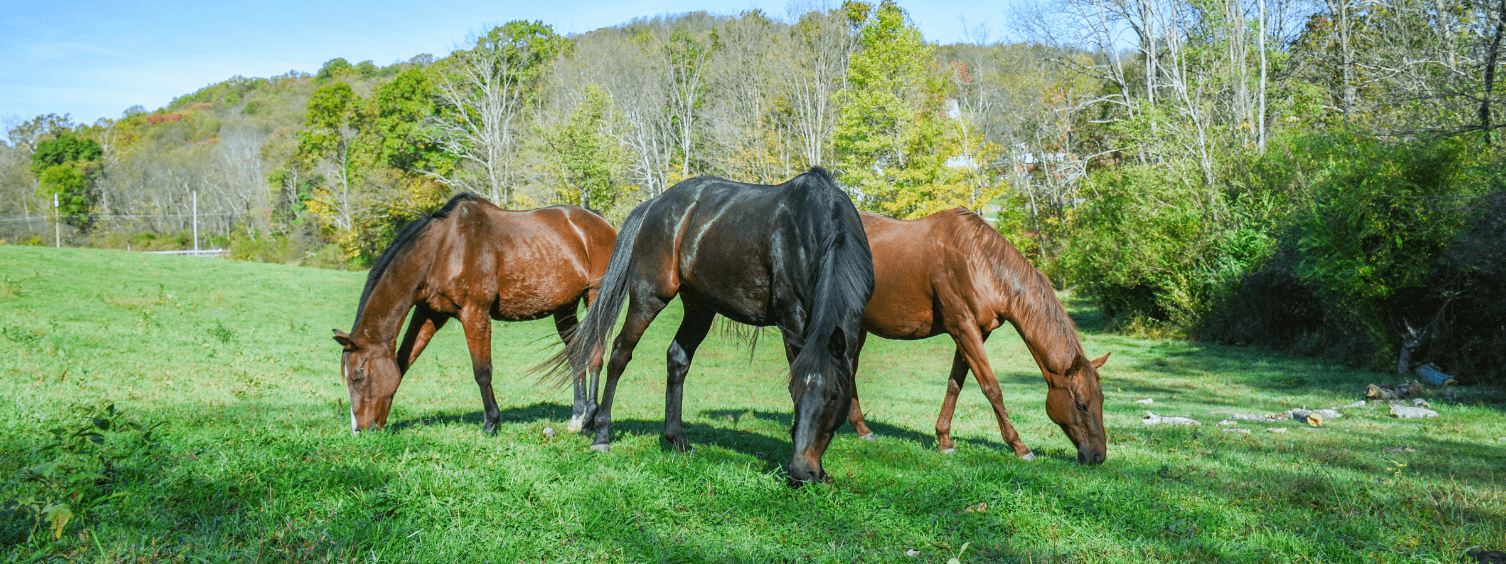
Horse Fence Comparison: Costs, Visibility, and Safety Explained
Choosing the right horse fence isn’t just about budget—it’s about finding a safe, long-lasting, and visible solution for your horses. From coated wires to electric rails, each fence type offers different advantages in terms of cost, safety, visibility, and maintenance. This guide breaks down the most popular horse fencing options from Kencove, helping you make the best choice for your property and your horses.
Key Factors to Consider When Choosing a Horse Fence
Before diving into the specific fence types, it’s important to understand what matters most when evaluating your options:
- Horse Safety: The fence should minimize the risk of cuts, entanglement, or impact injuries.
- Visibility: Horses need to clearly see the fence to avoid running into it. White or wide rails generally offer better visibility.
- Durability: Weather resistance, UV stability, and material quality affect how long a fence will last.
- Maintenance: Some fences require frequent tension checks, vegetation clearing, or hardware replacement.
- Budget: Don’t just calculate per-foot cost—consider the number of lines or rails, installation tools, and energizer needs.
- Ease of Installation: Some systems are DIY-friendly, while others may require specialized tools or professional help.
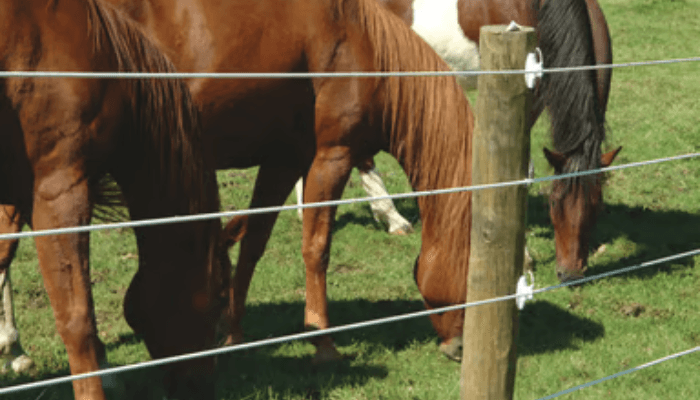
Kencote Coated Wire
Kencote is a high-tensile 12½-gauge wire coated in plastic for added visibility and safety. It’s a step above traditional high-tensile wire, offering a smooth surface that reduces the risk of injury.
- Safer than bare wire due to plastic coating
- Good visibility, especially when paired with white coating
- Long lifespan thanks to Class 3 galvanized coating
- Ideal for up to 15’ post spacing when used with electric
- Approximate cost: $0.17 per foot ($0.85 for five lines)
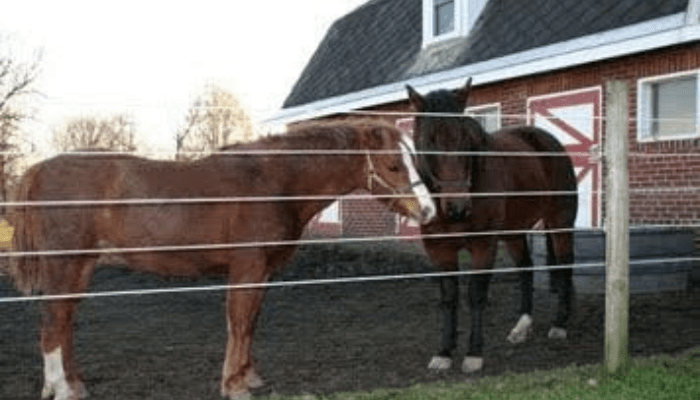
Hotcote Electrified Coated Wire
Hotcote adds electricity to the benefits of Kencote, creating a physical and psychological barrier. It helps prevent horses from leaning, chewing, or pushing on the fence.
- Combines visibility, safety, and electric deterrent
- Uses 12½-gauge galvanized wire with thick 0.3” plastic coating
- Helps extend the life of the fence by reducing wear
- Approximate cost: $0.19 per foot ($0.95 for five lines)
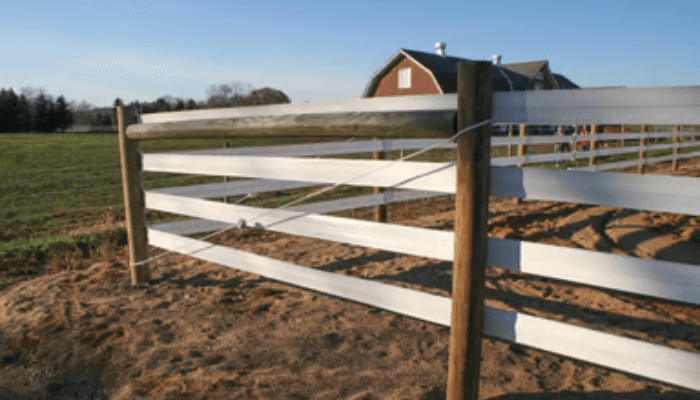
Horserail (4", 5", or 6")
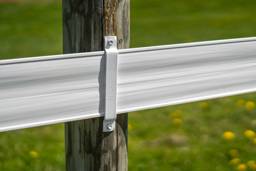
Horserail mimics the look of a wooden board fence but offers much more flexibility and safety. It’s made from high-tensile wire encased in UV-stabilized polyethylene.
- Visually appealing and available in white, black, or brown
- Safer than wood—flexes on impact rather than breaking
- Requires strong end bracing for installation
- Width options: 4” (2 wires), 5” or 6” (3 wires)
- Cost ranges from $0.61 to $1.09 per foot ($1.83–$3.27 for three rails)
- Backed by a 30-year limited warranty
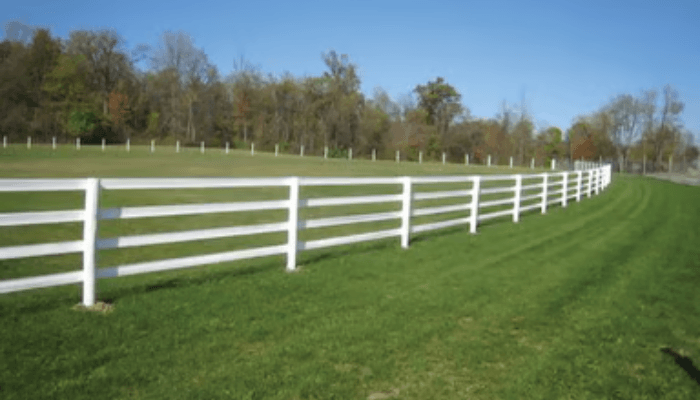
HotTop Plus (4¼” or 5¼”)
HotTop Plus is similar to Horserail but with the added benefit of electrification. It contains carbon strips that conduct electricity across the top and bottom wires.
- Adds an electric barrier to discourage cribbing and leaning
- Ideal for horses that are hard on fences
- UV-resistant and weather-resistant
- Cost: $0.91 per foot (4¼”) to $1.01 per foot (5¼”)
- Around $2.73 to $3.03 for three rails
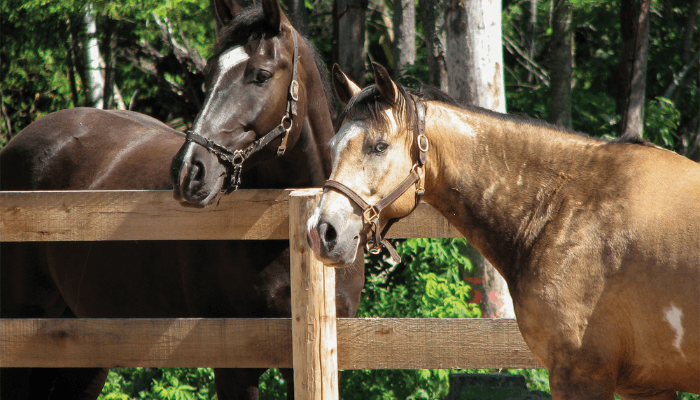
Board Fence
Board fencing gives a rustic, traditional appearance. It’s easy to install and repair but comes with higher maintenance needs and a shorter lifespan.
- Classic wood appearance
- Easy to replace damaged boards
- Vulnerable to cribbing without electric offset wire
- High upfront and maintenance cost
- Approximate cost: $1.02 per foot ($3.06 for three rails)
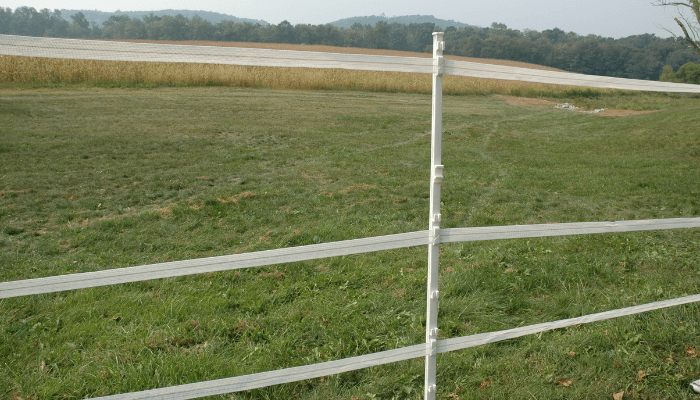
SAFE-FENCE Electric Tape
This 1½” electric tape is highly visible, easy to install, and requires no special tools. It’s ideal for horse safety, especially when installed as a stand-alone fence.
- Quick installation and simple maintenance
- Low injury risk due to flexible design
- No braced end posts needed
- Approximate cost: $0.13 to $0.17 per foot
- Five-year limited warranty

High-Tensile Smooth Wire
This type of wire is cost-effective and strong but may not be ideal for horses without added visibility aids.
- Low cost and long lifespan
- Strong and durable with minimal upkeep
- Poor visibility and higher injury risk without enhancements
- Best when electrified and used with spacers or flags
- Approximate cost: $0.04 per foot ($0.24 for six lines)
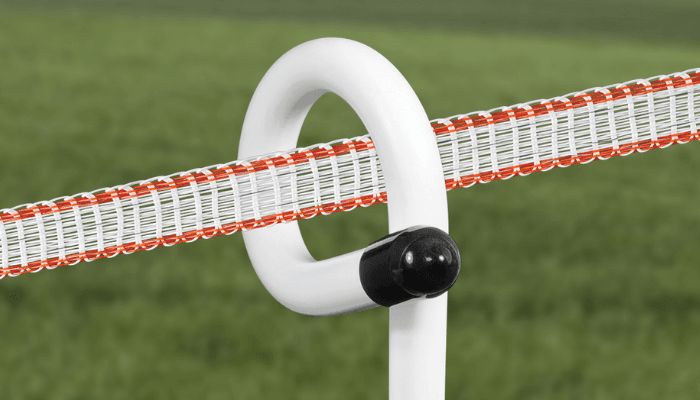
Electric Twine and Ribbon (Polywire)
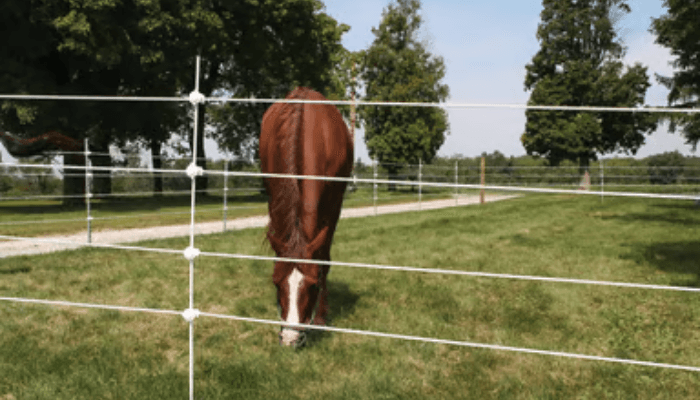
Electric twine and ribbon are perfect for temporary setups, trail rides, or grazing rotations. They’re visible, quick to install, and break away easily to reduce injury.
- Good for short-term or portable fencing
- Easy to see and move
- Sunlight may degrade material over time
- Approximate cost: $0.04 per foot
- Requires electricity and low-impedance charger
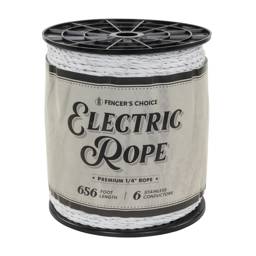
Electric Rope
Electric rope offers more visibility and strength than twine. It doesn’t whip in the wind and is easy to install with wider post spacing.
- More durable and visible than twine or tape
- Handles more physical pressure
- Doesn’t require braced end posts
- Approximate cost: $0.07 to $0.11 per foot
- Suitable for permanent or semi-permanent installations
Conclusion
There’s no one-size-fits-all solution for horse fencing. Each option comes with its own balance of cost, safety, visibility, and ease of installation. If you need a classic look, go with board fencing. For modern, low-maintenance performance, Horserail or HotTop Plus offer great value. For temporary or flexible use, SAFE-FENCE or electric rope might be ideal.
At Kencove, we offer all these options along with expert guidance to help you build the safest, most cost-effective horse fence possible. Whatever your needs, there’s a fence to match—and we’re here to help you find it.