Orders over $99 may qualify for free shipping.
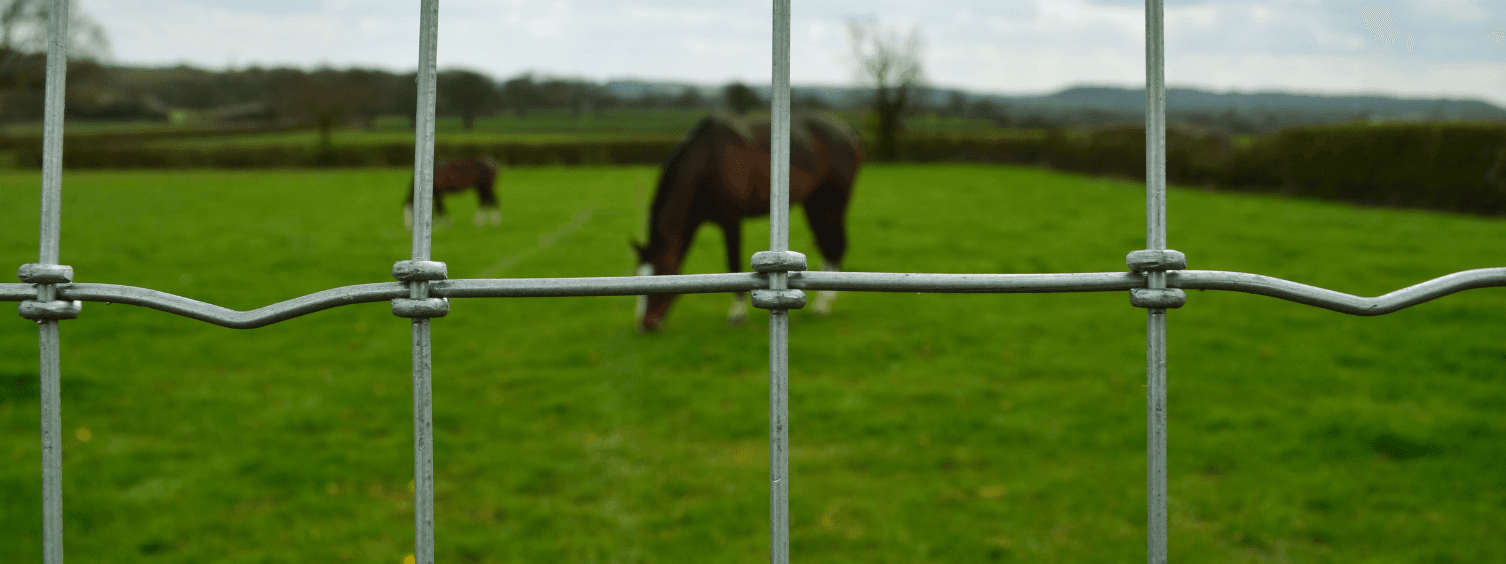
No Climb Horse Fence
No Climb Horse Fence
No Climb Horse Fence: The Safest Fencing Option for Your Horses
When it comes to protecting your horses, fencing is more than just a boundary — it’s a matter of safety, comfort, and peace of mind. Whether you own a small hobby farm or manage a large equestrian facility, the type of fence you choose plays a major role in your animals’ well-being.
Among the many fencing options available, the No Climb Horse Fence has emerged as a trusted favorite. Designed with closely spaced woven wire mesh, this fence style helps prevent entanglement and injuries, making it one of the safest fencing options for horses today.
In this comprehensive guide, we’ll explore what no climb fencing is, why it’s so effective, how it compares to other types of horse fencing, and what to consider when installing it on your property.
What is a No Climb Horse Fence?
A No Climb Horse Fence is a specialized fencing system designed to keep horses safely enclosed while minimizing the chance of injury. Unlike traditional fences with widely spaced wires or rails, no climb fences feature a woven wire mesh with very close spacing between the wires. This closely woven design prevents horses from getting their hooves caught or stuck when leaning or moving against the fence, which is a common cause of injury.
How Does the Mesh Work?
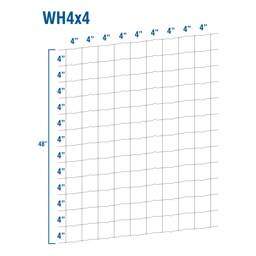
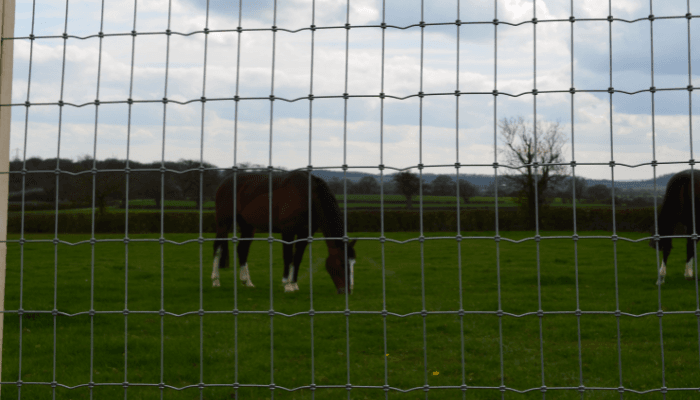
- The fence uses small rectangular or square openings in the wire mesh—typically around 2 inches by 4 inches or smaller.
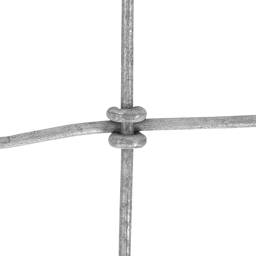
- The woven pattern secures horizontal wires firmly to vertical stay wires, creating a strong, interconnected mesh.
- The close spacing prevents horses from climbing, stepping through, or catching their legs or hooves in the fence.
- The flexible nature of the woven wire allows some give, reducing impact force if a horse runs into the fence.
Materials Used
- Galvanized Steel Wire is the standard material, offering excellent strength and rust resistance.
- Many no climb horse fences come with Class 3 galvanized coating, which is a heavier zinc coating that ensures prolonged durability even in harsh weather.
- Some modern fences also feature vinyl or polymer coatings for extra protection and smoother surfaces that are gentle on horses.
This combination of features makes no climb fencing extremely safe, sturdy, and long-lasting.
Important Features to Consider
When selecting a no climb horse fence for your property, look closely at the following factors to ensure it meets your needs.
Wire Spacing and Fence Height
- Typical wire mesh spacing is 2 inches by 4 inches, but depending on your horses, smaller openings can be selected for extra safety.
- Fence height commonly ranges from 54 inches to 60 inches (4.5 to 5 feet) to prevent horses from jumping over.
- The top wires are often spaced slightly wider but remain close enough to deter attempts at climbing.
Mesh Pattern and Coating
- A woven mesh with vertical stay wires every few inches ensures durability.
- Class 3 galvanized coating is preferred for weather resistance.
- Some fences feature vinyl-coated wire for an even safer surface and reduced visibility issues with rust or bare metal.
Durability Factors
- Resistance to rust and corrosion is critical for longevity.
- Look for fences that maintain strength despite exposure to sun, moisture, and temperature swings.
- UV stabilization on polymer coatings helps prevent fading and brittleness.
Key Benefits of No Climb Horse Fencing
Choosing a no climb horse fence offers numerous advantages over other fencing types, particularly when safety is the foremost concern.
1. Prevents Hoof Entanglement and Injury
- The tight mesh spacing prevents horses from getting their legs or hooves caught in the fence, avoiding painful cuts, fractures, or serious injuries.
- This benefit is critical for both foals and adult horses, who may be more prone to accidents with larger openings or barbed wire.
2. Strong and Flexible
- Built from galvanized steel wire, no climb fencing strikes a balance between strength and flexibility.
- It can absorb impact forces when horses press or lean on it without breaking or splintering.
- This reduces maintenance costs and fence repairs compared to more rigid fencing options.
3. Long-Lasting with Minimal Maintenance
- With Class 3 galvanized coatings or polymer finishes, these fences resist rust and corrosion.
- They can stand up to rain, snow, wind, and seasonal changes without losing integrity.
- They require infrequent upkeep, making them a cost-effective long-term investment.
4. Safe for Foals and Adult Horses
- The non-aggressive design with smooth wires keeps horses from sustaining abrasions.
- The fence is visible enough to prevent accidental collisions yet sturdy enough to keep horses secured.
Cost and Buying Guide
Knowing the typical costs and what affects pricing helps you budget realistically.
Typical Cost
- No climb horse fence usually costs $1.50 to $3.00 per linear foot for the wire mesh alone.
- Posts, gates, hardware, and installation add additional costs.
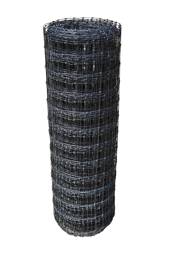
- Rolling out materials in 100-foot rolls can simplify purchase and installation.
Factors Affecting Pricing
- Quality of wire (gauge and coating class).
- Height and wire spacing requirements.
- Type of posts (wood or metal) and additional bracing.
- Geographic location and installation labor rates.
Value vs Longevity
- Though no climb fence may cost more upfront than simple wire or electric fencing, its long-term durability and safety benefits typically offset initial investment.
- Lower maintenance demands and reduced veterinary bills from fewer injuries add to the value.
Installation Tips for No Climb Horse Fence
Proper installation is key to maximizing the safety and lifespan of your no climb horse fence.
Post Spacing and Depth
- Use sturdy wooden or metal posts spaced every 8 to 12 feet.
- Posts should be set 3 to 4 feet deep into the ground for stability.
- Use corner and gate posts with additional bracing to withstand tension.
Tensioning the Wire
- The woven wire must be stretched tight but not overly so; over-tensioning can cause the wire to warp or break over time.
- Use stretcher bars and wedges to maintain consistent tension along the run.
Tools and Hardware Needed
- Heavy-duty staples or fence clips to attach wire to wooden posts.
- Tensioning tools like a wire stretcher or puller.
- Gloves, eye protection, and fencing pliers for safety during installation.
DIY vs Professional Installation
- Installation can be done by experienced DIYers with proper tools and knowledge.
- For larger properties or complex layouts, professional installation ensures precision and long-lasting results.
If you are also considering fence rails for added visibility and impact resistance, check out the HotTop® Plus Fence Rail — a durable and electrified rail option suitable for horse fencing.
Conclusion
A no climb horse fence is the safest and most reliable fencing solution for anyone serious about horse safety. Its tightly woven mesh design prevents injuries, its durable galvanized steel construction withstands the elements, and its flexibility offers peace of mind when containing your valuable horses.
If you want a fence that offers the best in equine protection, longevity, and aesthetics, no climb fencing is the top choice. Explore no climb horse fence options, consult professional installers if needed, and invest in a fence that prioritizes your horses' well-being today.
If you're ready to secure your horse pasture with the safest fencing option, explore our selection of high-quality no climb horse fences or request a personalized quote from Kencove to start your project right.
Related Items