Orders over $99 may qualify for free shipping.

The Ultimate Guide to Cattle Panels: What They Are and How to Use Them Effectively
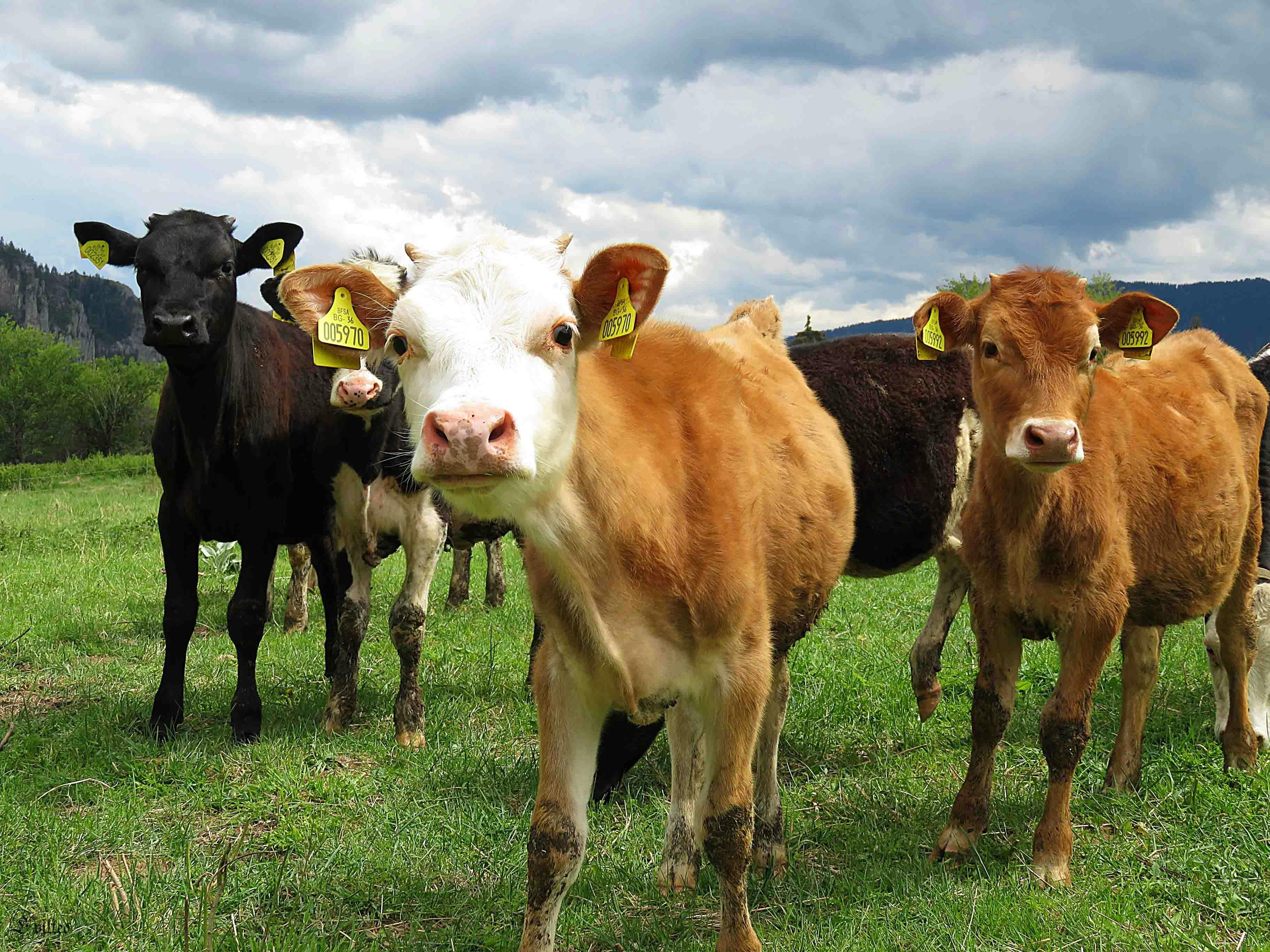
For livestock owners and farmers, fencing is a critical component of animal management, security, and pasture rotation. A widely used type of fencing material is the cattle panel, valued for its durability, flexibility, and versatility on farms and ranches. This guide will dive deeply into what cattle panels are, their construction and benefits, typical uses, installation tips, and alternatives or complementary fencing systems you might consider.
What Is a Cattle Panel?
A cattle panel is a pre-fabricated welded wire panel specifically designed for containing cattle and other large livestock. Unlike traditional woven wire fencing, cattle panels are rigid steel frames with vertical and horizontal wires welded at intersections, forming fixed-sized rectangular openings (often about 6" x 8"). This structure provides excellent strength with relatively low weight.
Typically, cattle panels measure around 50" tall and 8 feet in length, making them manageable for transport and setup. The horizontal wire lines are graduated—meaning the spacing changes along the height to better contain animals while reducing unnecessary weight at the top where less strength is required.
Construction and Materials
- Wire Gauge: Cattle panels generally use thick gauge wire (around 5 gauge), offering high tensile strength to withstand livestock pressure.
- Panel Surface Protection: They are often hot-dip galvanized after fabrication. This process coats the entire panel, wiring, and welds to protect against rust and corrosion, which is vital when panels are exposed to outdoor elements.
- Panel Design: The welded joints and wire spacing contribute not only to strength but also to the safety of animals—preventing hooves or heads from getting caught.
For example, the Kencove Cattle Panel is 50" tall by 8' wide, built with 5 gauge wire and a 6" x 8" wire spacing, with 10 horizontal graduated lines and hot-dip galvanization for superior rust protection.
Why Choose Cattle Panels for Livestock Fencing?
Advantages of Cattle Panels
1. Versatility:
Cattle panels are excellent for both permanent and temporary fencing needs. They can be used for:
- Rigid holding pens
- Temporary corrals
- Loading chutes and alleyways
- Exterior perimeter fencing around high-traffic livestock areas
2. Ease of Installation:
Compared to woven wire fencing, panels are quicker to set up. They often attach easily to posts such as T-posts, treated wood posts, or metal corner posts using clips, hog rings, or wire. For example, hog rings automate fastening wire panels securely to posts.
3. Durability:
Thick gauge wire combined with galvanization resists damage from animal wear, weather, and corrosion for many years.
4. Animal Safety:
The fixed spacing typically is small enough to prevent calves and smaller livestock from escaping or becoming injured. Graduated horizontal lines help animals see the fence, reducing collision risk.
Limitations to Consider
- Fixed Size: Unlike roll fencing, panels come in fixed sizes which can be less suitable for very irregular terrain.
- Weight and Bulk for Transport: Although lighter than heavy corral panels, cattle panels can still be bulky to handle, especially when moving large numbers.
- Cost: Initial investment in panels can be higher than some wire roll fencing but is often offset by longevity and decreased maintenance.
How to Install Cattle Panels Successfully
1. Choosing Support Posts:
Strong, spaced posts are critical since panels rely on secure anchoring. Common posts include:
- Steel T-posts with clips or hog rings (e.g., T-post clips and hog rings)
- Treated wood posts for corners and gates
- Pipe posts for maximum strength in high-pressure zones
2. Proper Panel Setup:
- Place panels on level ground or use appropriate bracing for uneven terrain.
- Attach panels tightly to posts to prevent sagging.
- Use dropper rods or braces if needed to maintain panel shape.
3. Gates and Accessories:
- Incorporate panels into gate frames or use matching gates such as the Mesh Wire Gate for seamless integration.
- Use tube gate hinge clamps and strong gate hardware for hinge support.
- Consider adding electric netting or energizers to enhance security.
Alternatives and Complementary Fencing Options
Depending on your specific livestock and fencing objectives, cattle panels may not be the only or best solution. Consider other materials to complement or substitute cattle panels:
1. Woven Wire Fencing
For more permanent boundaries or for containing smaller livestock and protecting against predators, woven wire fencing provides excellent security. Examples include fixed-knot woven wire with tight vertical spacing, such as:
-
Fixed Knot Woven Wire, 15 horizontal lines, 3" stay spacing
Ideal for high-value livestock containment or areas requiring predator protection. -
Hinge-Joint Woven Wire
Offers enhanced flexibility, rust resistance, and requires fewer posts.
2. Electric Netting and Energizers
Electric netting is an excellent choice for rotational grazing or temporary fencing due to its lightweight and portable nature. For best results, use high-quality energizers such as:
-
Patriot Dual-Purpose Energizer
Capable of powering multiple fencing styles including single wires, polytape, and netting. -
Complement your energizer with solar panels for off-grid power.
3. High-Tensile Wire Fencing
For large perimeter fences with minimal maintenance, high-tensile wire offers long-lasting performance, particularly when energized. It’s less visible but highly effective.
4. Combination Systems
Many livestock owners find a combination of cattle panels, woven wire, and electric fencing ideal. For example, use cattle panels or woven wire for corners and high-traffic areas, combined with electric netting for flexible grazed paddocks.
Maintenance and Longevity Tips
- Regular Inspection: Periodically check panels, posts, and connection points for wear or damage.
- Rust Prevention: Even with galvanization, avoid prolonged contact with moisture and debris by clearing weeds and grass near the fence base.
- Repairs: Use hog rings or wire ties for minor fixes; replace damaged panels promptly.
- Seasonal Adjustments: Rotate or reposition panels to adjust for pasture management or livestock needs.
Summary
Cattle panels offer a superb balance of strength, flexibility, and ease of use for managing livestock. Their welded wire construction with hot-dip galvanization ensures durability, while their design prioritizes animal safety and effective containment. Whether used alone or with complementary fencing solutions like woven wire or electric netting, cattle panels are a trustworthy choice for any livestock operation.